Monsoon Season, Minus the Drama: The Case for Thailand's Green Season
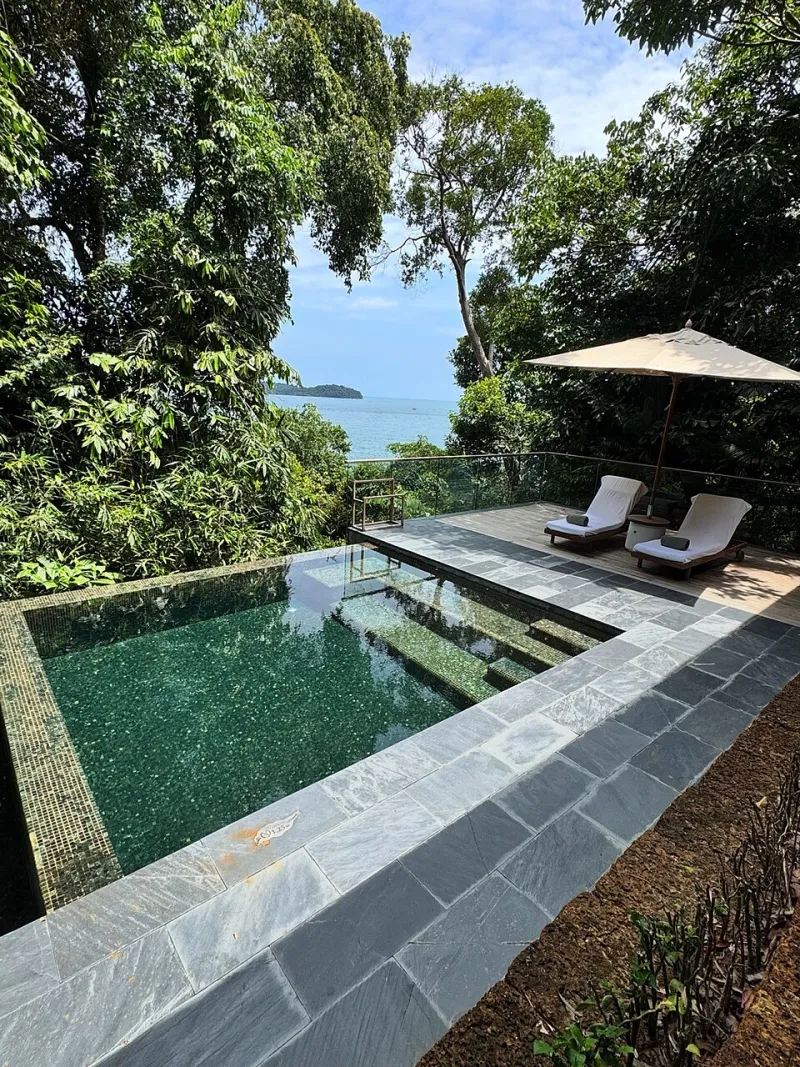
Photo: Fabiovieiramd, CC BY-SA 4.0, via Wikimedia Commons
Here's a confession from those of us who live in Thailand: some of our favorite months are the ones the guidebooks warn you about.
From May through October, the so-called monsoon season rolls across the country — and savvy American travelers have quietly learned that this stretch, known locally as green season, might be the best-kept secret in tropical luxury travel. Not because the rain doesn't come. It does. But because everything else about these months — the light, the prices, the empty beaches — more than makes up for it.
The Rain Isn't What You Think
Let's bust the biggest myth first: green season in Thailand is not weeks of relentless downpour. The typical pattern is gloriously predictable. Mornings often arrive bright and glassy, perfect for a swim or a long breakfast on the deck. By mid-afternoon, clouds build over the hills, and a dramatic — sometimes spectacular — shower sweeps through for an hour or two. Then it clears, the air is scrubbed fresh, and the evening arrives washed in gold.
In other words, you plan around the rain the same way you'd plan around afternoon thunderstorms in Florida or Colorado. Mornings for the boat, the hike, the temple. Afternoons for the spa, the book, the nap. Locals have been living by this rhythm forever.
And those storm clouds? Photographers pay good money to chase skies like this. The light in green season is moody and cinematic in a way the dry season simply can't replicate — think brooding clouds stacked over emerald rice terraces, or a full rainbow arching across a Phang Nga bay.
The Math That Changes Everything
Here's where green season gets really interesting for US travelers: price.
Villa rates across Phuket, Krabi, Koh Samui, and the north routinely drop 30 to 50 percent from peak-season pricing. A clifftop five-bedroom villa that commands $2,000 a night in January might be yours for $900 in September. Flights from the US dip too, since you're traveling opposite the European winter exodus.
That discount doesn't just save money — it upgrades you. The budget that bought a hotel room in high season buys an entire private villa with staff in green season. Private chef. Infinity pool. Housekeeping. The whole deal, at a rate that feels like a misprint.
Why a Villa Beats a Resort in the Rain
There's a reason we keep coming back to this: a private villa is arguably the single best rainy-season headquarters money can rent.
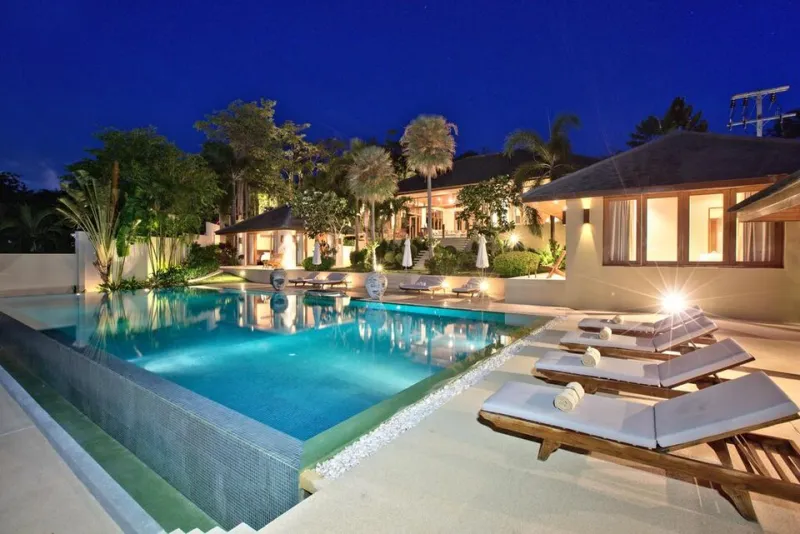
Think about the architecture. Thailand's luxury villas were built for this climate. Expansive covered salas and open-air pavilions mean you can lounge, dine, and get a massage while the rain performs around you — close enough to feel the cool mist, dry enough to never miss a moment. Infinity pools look even better with raindrops dancing across the surface.
Compare that to a resort, where a rainy afternoon might mean navigating shared hallways and a crowded lobby. In a villa, the rain becomes atmosphere rather than inconvenience. Order lunch in. Watch the storm roll over the Andaman Sea from a daybed under a vaulted teak roof. This is what the rainy season was supposed to feel like all along.
Your Escape From the US Summer Crowd
There's one more layer to the green-season pitch, and it might be the clincher: timing.
May through October lines up exactly with America's summer travel season — the single most crowded, most expensive window at every destination from Yellowstone to the Amalfi Coast. While everyone back home is fighting for beach parking and paying peak rates, you're in Thailand, where the crowds are thinnest and the value is deepest.
Green season also brings its own spectacles. The Andaman side's waters are at their clearest around the shoulder months. Waterfalls in the north are at full thunder. And the landscape — the whole reason the season is called green — is impossibly lush, every hillside saturated in shades of emerald you won't see in March.
How to Do It Right
A few practical notes for the green-season curious:
- Pick your coast. Koh Samui's weather pattern flips from the rest of the country — its wettest months run October through December, making its green season (roughly May to September) especially reliable.
- Book villas with covered outdoor space. Prioritize properties with substantial salas, covered terraces, and indoor-outdoor living.
- Keep mornings sacred. Schedule boats, dives, and hikes early; let afternoons flex.
- Pack light, pack smart. Quick-dry clothing and a good cover-up beat a heavy rain jacket in the tropics.
The travelers who've figured out green season don't talk about it much — partly out of politeness, mostly out of self-interest. But the secret is out now. The skies are dramatic, the pools are warm, the villas are half price, and nobody's complaining about the rain.