Your Villa, Your Table: The Real Price of Hiring a Private Chef in Thailand
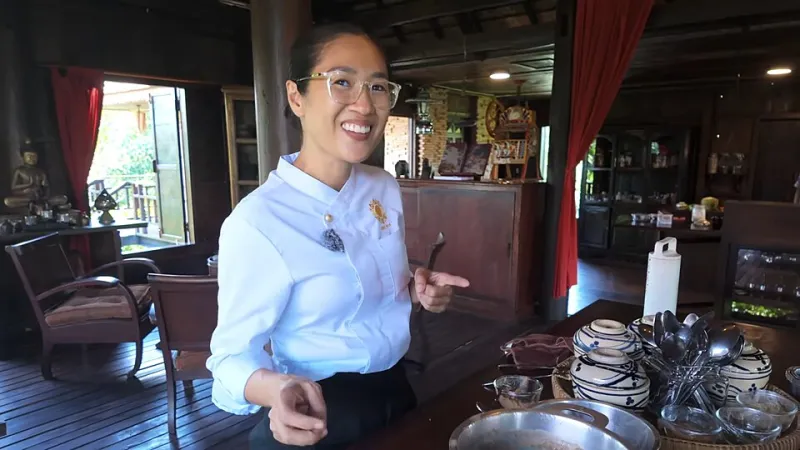
Photo: Noshivore, CC BY 3.0, via Wikimedia Commons
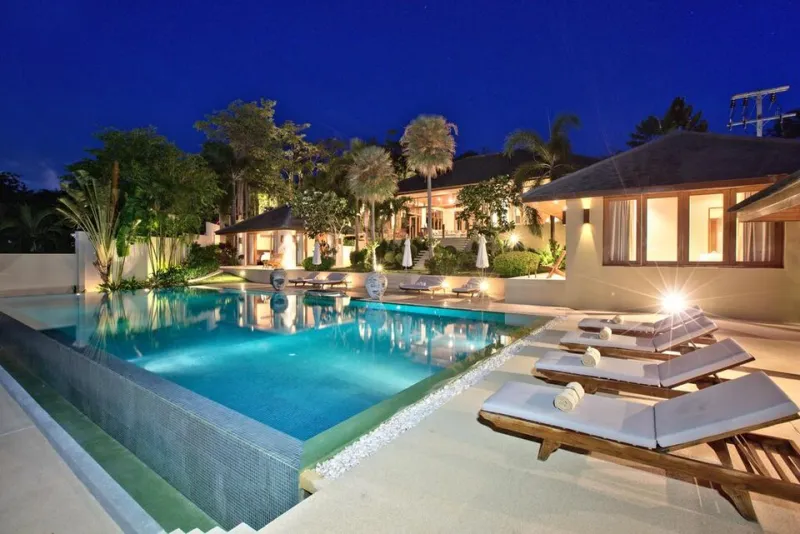
Picture this: it's your second morning in a cliffside villa above the Andaman Sea. Instead of dragging everyone into a shuttle for hotel breakfast, your cook — who greeted you by name last night — is in the kitchen flipping coconut pancakes and squeezing fresh passionfruit juice. The table is set on the terrace. The only reservation you made was with the sunset.
For American travelers used to resort pricing, the private chef experience in Thailand can feel almost suspiciously affordable. Here's what it actually costs, how it works, and how to do it right.
The Going Rate: Chef Fees, Decoded
Most villa chefs in Thailand fall into three tiers:
- Villa-provided cook (included or $25–$50/day): Many high-end villas come with a live-in or daily staff member who handles breakfast and a casual lunch. If your rental advertises "full staff," this is often already baked into the rate — check before you budget extra.
- Independent private chef ($60–$120/day): Freelance chefs, often English-speaking and trained in hotel kitchens, will plan menus, shop, cook, and clean up. A full dinner service for six to eight people usually lands between $150 and $250 total — not per person.
- Fine-dining chef experience ($250–$500+): Think multi-course tasting menus, wine pairing suggestions, and plating worthy of a restaurant like Bangkok's Gaggan. Available mainly in Phuket, Samui, and Chiang Mai.
Do the math against home: a decent resort dinner in Thailand runs $30–$60 per person once you add drinks and service charge. A family of six eating two restaurant meals a day at a resort could easily spend $400 daily. Your chef, groceries included, might run half that — for better food, on your schedule.
Market Day: The Best $20 You'll Spend
Many chefs offer (or will happily agree to) a market run — and it's arguably the best cultural excursion of the trip. Arrive at a local wet market at 7 a.m. and you'll taste mango sticky rice varieties you didn't know existed, watch your chef squeeze limes for som tam dressing, and learn which shrimp paste smells like a bargain versus a crime.
Budget roughly $30–$70 per day for groceries for a group of six, depending on how much imported wine and Australian beef you insist on. Pro tip: eat local. Thai-grown produce, seafood, and pork are extraordinary and cheap; imported cheddar is neither.
A Sample Week, Menus Included
Here's how a typical arrangement shakes out for a group of six over seven nights:
- Daily breakfast (7 days): rotating spread of fresh fruit, eggs, congee, Thai-style omelets, smoothies — ~$45/day including groceries
- Three market-to-table dinners: grilled sea bass with lime-chili sauce, massaman curry from scratch, som tam and sticky rice spreads — ~$60/day including chef fee and ingredients
- One splurge tasting-menu night: six courses, plating, flowers on the table — ~$350 total
- Lunches out exploring: your choice, but street food at $3 a plate keeps this painless
Rough total: around $1,100–$1,300 for the week. At a mid-range resort restaurant, the same group would blow through that in four dinners — with none of the leftovers, flexibility, or kitchen gossip.
Etiquette: Tipping, Requests, and the Art of Being a Good Guest
Tipping: Not obligatory in Thailand, but genuinely appreciated. For a week of service, $50–$100 per staff member is generous; a thank-you envelope left at departure is a lovely American touch that lands well. Tip in cash, hand it over with your right hand or both hands, and a warm "khop khun khrap/kha" goes a long way.
Dietary requests: Thai cooks are remarkably accommodating — gluten-free, vegan, and nut allergies are all manageable, especially with advance notice. Do give your chef 48 hours' head start on serious allergies, though. Fish sauce hides in everything, and "no fish sauce" is a phrase worth learning in Thai: mai sai nam pla.
Spice levels: Be honest, not heroic. "Thai spicy" at a market stall is a different animal than what your server back in Austin calls spicy. Ask for phet nit noi (a little spicy) and work your way up.
The fridge rule: Your chef shops fresh daily and will happily stock snacks, but don't treat the kitchen like a hotel minibar inventory sheet. Flexibility gets you better food.
The Verdict
For groups of four or more, a private chef in Thailand isn't a luxury tax — it's a arbitrage play that happens to come with a view. You'll eat better, spend less than you would at resort restaurants, and collect the kind of stories (the morning market, the chef's grandmother's curry recipe, the night she made your daughter's favorite khao soi from scratch) that no restaurant reservation can match.
Eat like royalty. Pay like a local. That's the Cielo way.