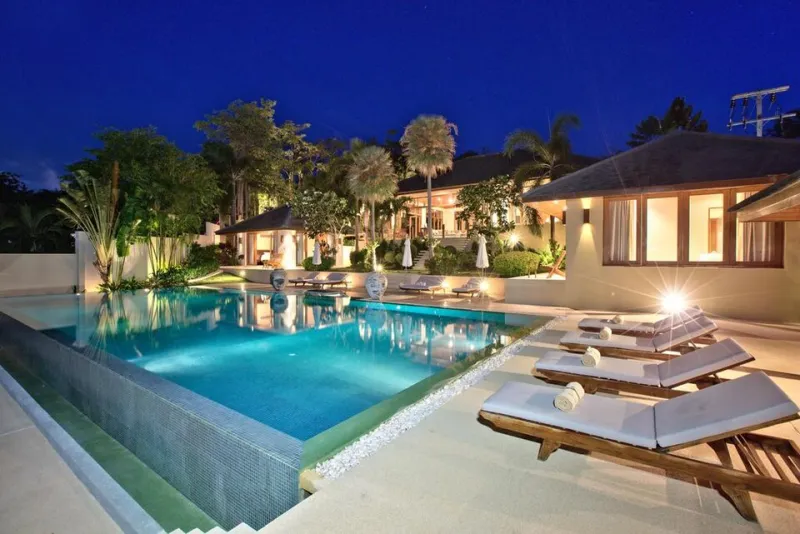
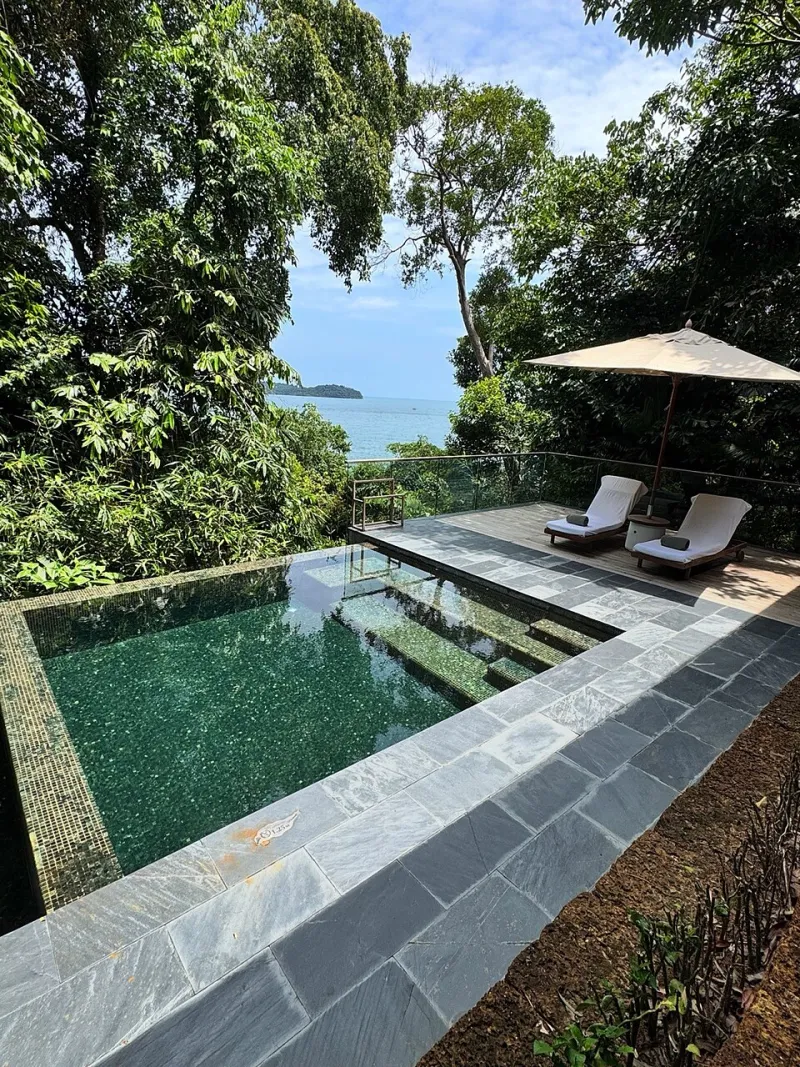
Six Couples, One Islet: The Real Numbers Behind Renting a Private Thai Island for a Week
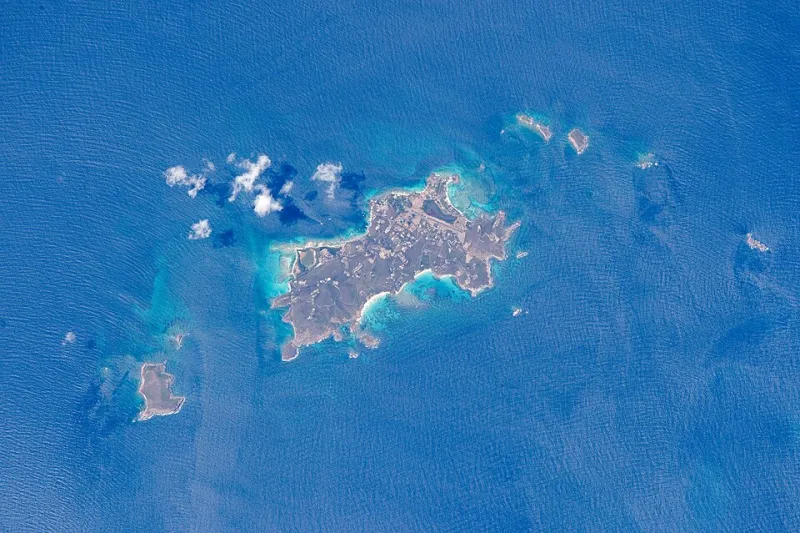
Photo: NASA/Tim Kopra, Public domain, via Wikimedia Commons
There's a moment that happens on every private island booking, usually around sunset on the first night, when someone in the group turns to you and asks, "Wait — this whole place is just for us?"
Yes. All of it. The beach, the deck, the staff, the longtail boat idling at the jetty. And here's the part that surprises most Americans: if you split it with five or six other couples, it can cost less per person than a garden-view room at a five-star resort in Maui.
Let's walk through how this actually works — the real numbers, the fine print, and the logistics nobody tells you about until you're three weeks out from departure.
Where You Can Actually Do This
Thailand's private-island scene clusters in two regions.
Krabi and the Andaman coast is the heavyweight. Naka Island, Koh Kradan's exclusive-use villa estates, and several leasehold islets near Koh Yao Noi offer full buyouts — think a handful of villas, a private beach, and a kitchen brigade, all yours. Phulay Bay and Six Senses properties offer "exclusive use" tiers, and there are smaller owner-operated islets that rent by the week with staff included.
Phang Nga Bay is the wildcard. This is where you find the true hideaways — dramatic limestone karst backdrops, villas tucked into the jungle, and water so still at dawn it looks like glass. These tend to be villa enclaves rather than full islands, but with the right booking, you'll have the entire headland to your group.
The difference matters. A true private islet means total control: your schedule, your menu, your music at 2 a.m. if that's your thing. An exclusive-use enclave gets you 90% of that feeling with easier logistics — more space, deeper staff benches, and a backup plan if weather turns.
What It Actually Costs
Let's talk numbers, because this is where the fantasy meets the spreadsheet.
Small private islets and buyout estates in Krabi typically run $3,500–$12,000 per night depending on season, villa count, and whether catering and transfers are bundled in. A genuine full-island buyout with 6–10 bedrooms, full staff, chef, and boat crew generally lands in the $8,000–$20,000 per night range.
That sounds enormous until you divide it.
Take a six-bedroom islet at $10,000 a night for seven nights: $70,000 total. Split across six couples (12 people), that's $5,833 per couple for the week — less than what two people often spend on a single week at a luxury Hawaiian resort before activities, and roughly a third of what the same trip would cost in the Maldives.
Exclusive-use villa enclaves run a bit friendlier: $2,000–$6,000 per night for multi-villa compounds. A six-couple group booking a four-villa Phang Nga hideaway at $4,500 a night pays about $5,250 per couple for the week, often including breakfast, airport transfers, and a dedicated villa manager.
Compare that to a five-star resort where a decent suite runs $600–$900 a night, plus $40 cocktails, plus $120-per-person dinners, plus the quiet resentment of sharing the infinity pool with 200 strangers. The island starts looking less like a splurge and more like a rounding error.
The Fine Print Nobody Mentions
Before you wire a deposit, know these four things.
Minimum stays are real. Most exclusive-use properties require 3–5 nights; peak season (December–February) often demands 7. Some full buyouts require 7 nights year-round. Plan your PTO accordingly.
Catering is usually separate. The nightly rate covers the villa and core staff. Food and beverage typically runs $60–$120 per person per day for full-board with a private chef — which is, honestly, a bargain for restaurant-quality Thai and Western cuisine delivered to your beach.
Weather windows matter. The Andaman coast is glorious November through April and moody in the monsoon. Book the green season at your peril — some islands become hard to reach when seas roughen.
Transfers need arranging. Most islets are reached by private longtail or speedboat from Krabi or Phuket airports. Budget $300–$800 per transfer, and build in buffer time. The boat won't wait for a delayed connection.
The Logistics, Handled
Here's the beautiful part: you don't handle the logistics. That's the entire point.
A well-run private island comes with a villa manager who coordinates provisioning — a weekly grocery run by boat covering everything from Thai market produce to your group's suspiciously specific oat milk request. The chef builds menus around your preferences and the day's catch. Housekeeping happens invisibly while you're snorkeling.
Your job list looks like this: send a preference sheet, land at the right airport, get on the boat. That's it.
If you book through a Thailand-based specialist (and you should), they'll also layer in the extras that turn a good week into a legendary one — a private longtail sunset cruise through the karsts, a muay Thai instructor on the beach at dawn, a Thai cooking class where your group demolishes the som tam station.
Why the Group Model Wins
The private island has always been framed as a billionaire's toy. But the economics actually favor groups — specifically, groups of friends who'd otherwise book a block of rooms at a resort and spend the week texting each other across a sprawling property.
Six couples on one islet means shared dinners every night, a swim-up bar with a headcount of twelve, and zero logistics arguments about where to meet. It's the group vacation, perfected — and priced, per person, in line with a very good resort stay.
The catch? Availability. The best islets book out 6–12 months ahead for peak season. If a February week with your crew is the goal, start the conversation in the spring.
Because the sunset toast over your own private bay isn't a someday thing. It's a planning thing.