The 48-Hour Landing Pad: How a Staffed Thai Villa Cures Jet Lag Before Your Vacation Begins
Photo: Fabiovieiramd, CC BY-SA 4.0, via Wikimedia Commons
You've done the math before, even if you didn't write it down. Fourteen hours in the air. A layover in Seoul or Doha. Twelve hours lost somewhere over the Pacific. You land in Bangkok at what your body insists is 3 a.m., and by the time you've cleared immigration and collected your bags, you're running on fumes and airport coffee.
Here's the part nobody plans for: what happens in the next two days determines whether your trip is seven days long or four. Waste the first 48 hours, and you spend half your vacation in a fog, napping at the wrong times and eating dinner when your stomach thinks it's breakfast.
There's a fix, and it starts before you ever leave the airport.
Why the First Two Days Matter More Than You Think
Jet lag isn't just tiredness — it's your circadian rhythm, the internal clock governing sleep, hunger, digestion, and body temperature, refusing to accept that it's suddenly 12 time zones away from Chicago or New York. Sleep researchers call the eastward journey to Asia one of the hardest adjustments a traveler can make, precisely because that 12-hour flip is maximal. Your body doesn't know whether to sleep or get up.
The standard advice — get sunlight, stay awake until a reasonable local bedtime, hydrate — is good advice. But it assumes you're fending for yourself. It assumes you'll be navigating a hotel check-in, hunting for a restaurant at 9 p.m. local time when your body is begging for a mattress, and figuring out where to buy bottled water while your brain is made of static.
A staffed villa removes every one of those friction points. And that's not a luxury indulgence in this context — it's recovery infrastructure.
The Arrival: Your Villa as a Landing Pad
Picture the alternative. Your driver meets you at arrivals holding a sign with your name. Cold towels and water in the car. Forty-five minutes later, you're walking through the doors of a private villa where the staff already know your flight landed late. A light meal is waiting — something gentle, not a heavy restaurant dinner your digestive system will punish you for. Your room is ready. The air conditioning is already on.
Nobody hands you a key card. Nobody asks for a credit card imprint. Nobody explains where breakfast is served. You shower, you eat a little, you sleep — and critically, you sleep on local time, because the villa manager has already thought through your arrival schedule for you.
That last point matters more than it sounds. Good villa teams in Thailand have hosted enough long-haul Americans to know the playbook: schedule nothing for the arrival day, keep the first dinner light and early, hold spa treatments for the following afternoon, and let the guest's body find the new clock at its own pace.
The Science-Backed 48-Hour Reset
You don't have to take the staff's word for it. Here's what circadian researchers would tell you to do, and how a villa makes each step effortless.
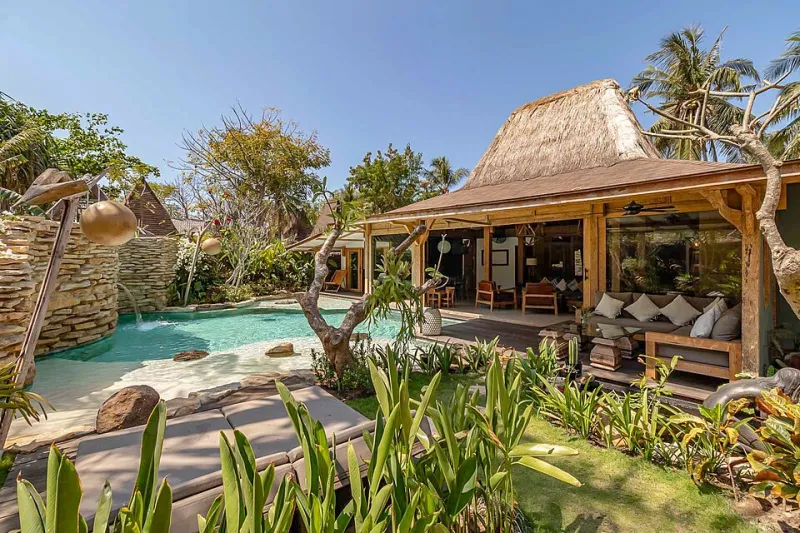
Hours 0–12: Light management, not willpower. The single most powerful lever for resetting your internal clock is timed light exposure. Depending on when you land, your host can time your first morning so you get bright outdoor light exactly when your body needs the signal that a new day has begun. A villa with a pool deck, a garden, or an ocean-facing terrace means you don't have to go looking for daylight — it comes to you with your morning coffee.
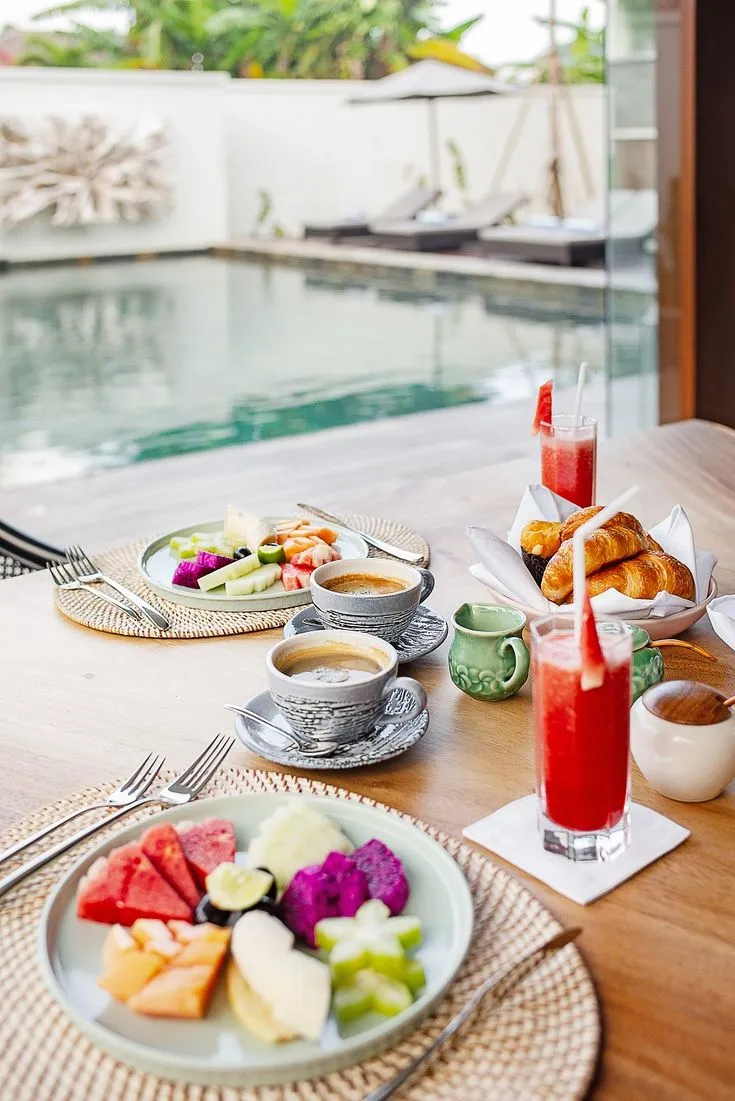
Hours 12–24: Eat on local time, gently. Your digestive system runs on its own clock, and heavy meals at the wrong hours deepen the fog. A private chef is the secret weapon here. Instead of a rich restaurant dinner, you get a light, fresh, Thai-forward meal — clear soups, grilled fish, green papaya salad — served whenever your body can handle it. Want dinner at 6 p.m.? Done. Couldn't wake up until 11? Brunch it is. No reservations, no fixed seating, no judgment.
Hours 24–36: Move, don't grind. Moderate exercise in daylight accelerates circadian adjustment — a swim, a slow beach walk, a stretch on the deck. What you don't want is a packed tour itinerary. A villa lets you be active without being scheduled. Twenty laps in the pool counts. So does a wander down to the village for an iced coffee.
Hours 36–48: The spa treatment that actually helps. Traditional Thai massage isn't just a treat — bodywork in the late afternoon can ease the muscle tension that poor airplane sleep leaves behind and help you settle into a second night of genuinely restful sleep, which is when most people's clocks finally flip. An in-villa massage means you can drift straight from the massage mat into a nap without commuting anywhere.
By the end of day two, most guests are sleeping and eating roughly on local time. Compare that to the standard hotel version of arrival: a wasted day, a 4 p.m. crash, a 2 a.m. wake-up staring at the ceiling, and a day three spent zombie-walking through temples you won't remember.
The Small Things That Do the Heavy Lifting
Ask anyone who's stayed in a staffed Thai villa what made the difference on arrival, and they rarely mention marble or infinity pools first. They mention the little things:
- Flexible meal times. Breakfast at 10:30 because that's when your body woke up. No buffet closing at 10 sharp.
- Airport transfer handled end to end. No negotiating with taxi meters in a jet-lagged daze at midnight.
- A manager who pre-plans your first two days — or, just as often, pre-plans nothing at all, which is exactly what you need.
- Silence. No hallway noise, no elevator chatter, no 6 a.m. housekeeping vacuum outside your door when you finally fell asleep at 4.
Start Rested, Not Recovering
The most expensive mistake in long-haul travel isn't the airfare — it's the days you give away to jet lag. A vacation in Thailand is too good, and too far, to spend the opening chapters half-asleep.
Think of a staffed villa as a decompression chamber between two lives: the one where you answered emails at midnight in Denver, and the one where you'll watch the sun come up over the Andaman Sea with your internal clock fully on board. The first 48 hours set the tone for everything after. Spend them somewhere built for landing softly.
Your body will do the hard work of resetting itself. All it needs is the right conditions — and in Thailand, someone whose whole job is making sure you have them.