Booked, Not Loud: What It Costs to Sleep in Thailand's Quiet Zone
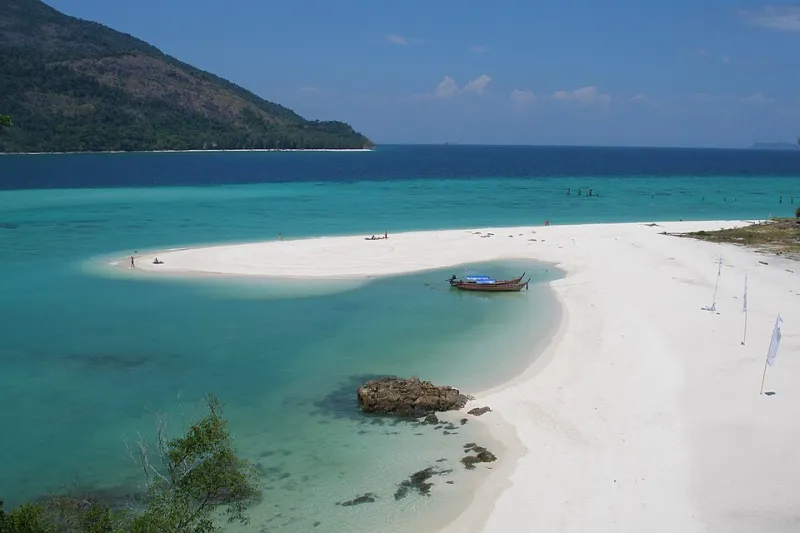
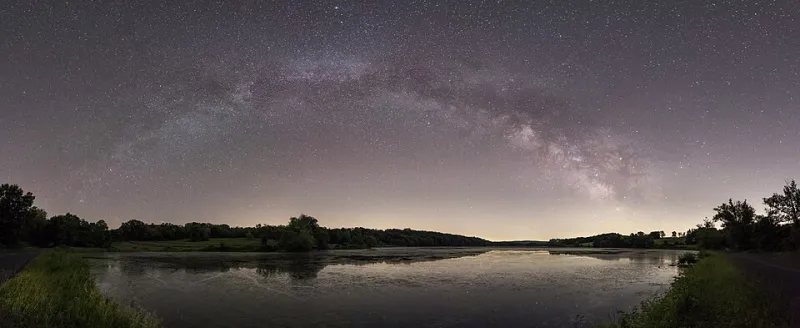
Photo: Vyacheslav Argenberg, CC BY 4.0, via Wikimedia Commons
There's a moment that happens on the ferry from Phuket to Koh Yao Noi, about ten minutes after the mainland shrinks behind you. The jet skis disappear. The thump of beach club bass — the soundtrack of every tropical destination you've been to in the last decade — simply stops. What's left is water, wind, and the occasional long-tail boat puttering across the bay at a respectful distance.
For a growing number of American travelers, that moment is the entire point of the trip.
The Islands That Said No
Koh Yao Noi and Koh Muk aren't technically designated "quiet zones" by any official Thai ordinance — but the effect is the same, and it's enforced by a combination of local Muslim communities, national park rules, and simple economics. Koh Yao Noi, sitting between Phuket and Krabi in Phang Nga Bay, has largely declined the party-island playbook. There are no motorized jet ski rentals, no sunset DJ sets, and a local etiquette that treats the shoreline as shared space, not a stage.
Koh Muk, down in Trang province, goes further in spirit. The island's famous Emerald Cave draws day visitors, but by late afternoon the island returns to a hush that's genuinely rare in Southeast Asia. Several villa estates here operate under informal "quiet covenants" — written into booking terms — that prohibit drone flights, amplified music outdoors, and motorized watersports of any kind. One property manager I spoke with described it bluntly: "Guests don't pay for the pool. They pay for what they can't hear."
Why Burned-Out Americans Are the Target Market
If you've spent the last few years in an open-plan office, on back-to-back Zoom calls, with your phone buzzing through dinner, the idea of a vacation that is actually quiet starts to sound less like a preference and more like medicine. American professionals are increasingly treating silence as a luxury good — the way a previous generation treated caviar or first class.
There's research behind the instinct. Studies on noise pollution consistently link chronic environmental noise to elevated cortisol and poorer sleep, and the wellness travel industry has caught on. But Thailand's quiet enclaves offer something the typical "digital detox retreat" can't: silence that isn't scheduled. Nobody's ringing a gong for your 6 a.m. meditation. The quiet is just... the default setting of the island.
The contrast with closer-to-home options is stark. A "quiet" week in the Hamptons still comes with leaf blowers. A silent retreat in Sedona comes with a schedule. Koh Yao Noi comes with geckos and rain on a tin roof.
What Silence Actually Costs
Here's the part that surprises people: the quiet islands are often cheaper than their loud neighbors.
A staffed three-bedroom villa on Koh Yao Noi — private chef, daily housekeeping, airport boat transfer included — typically runs $350 to $700 per night in high season (roughly November through March). Compare that to a comparable property on Phuket's west coast, where you'll pay a 30–50% premium for the privilege of hearing someone else's pool party.
On Koh Muk, the numbers dip even lower. Beautiful cliffside and beachfront villas sit in the $250–$500 per night range, though the tradeoff is a longer transfer: you'll fly into Trang or Krabi, then connect by ferry or private long-tail boat. Budget roughly $1,500–$2,500 per person for a full week including flights from the US West Coast, transfers, staff, and food — less than a long weekend at a decent Napa resort.
The genuine splurge tier exists too. A handful of ultra-exclusive estates on both islands — full staff, private chef trained in Bangkok, dedicated boat and captain on call — push toward $1,200–$2,000 per night. But even at that level, you're not paying for spectacle. You're paying for a guarantee that nobody else is within earshot.
The Fine Print of Doing Nothing
Before you book, a few honest caveats:
- The quiet is real, which means the nightlife is not. Dinner is at the villa or a local restaurant. If you need a cocktail bar with a vibe, this isn't your trip.
- Drone rules are strict. Many estates ban them outright, both for privacy and because the sound carries brutally across calm water. Leave the Mavic at home.
- Green season (May–October) is quieter still — fewer boats, lower rates, and afternoon rain showers that only deepen the hush. Bring a paperback, not a packed itinerary.
- Alcohol is limited on Koh Yao Noi, whose communities are predominantly Muslim. Most villas will arrange wine and spirits for your stay, but there's no bar scene to speak of.
The Loudest Thing You'll Hear
By the third night on Koh Yao Noi, guests report the same phenomenon: the silence stops feeling empty and starts feeling full. You notice the tide. You notice your own breathing. You notice, with some alarm, how long it's been since you heard nothing at all.
In a travel market where every destination is competing to be louder — bigger shows, brighter beaches, more Instagrammable noise — Thailand's quiet islands are making the opposite bet. That the rarest thing you can sell a burned-out American isn't another experience.
It's the absence of one.