The New Math of Paradise: Why Americans Are Trading Europe for Thailand's Villas

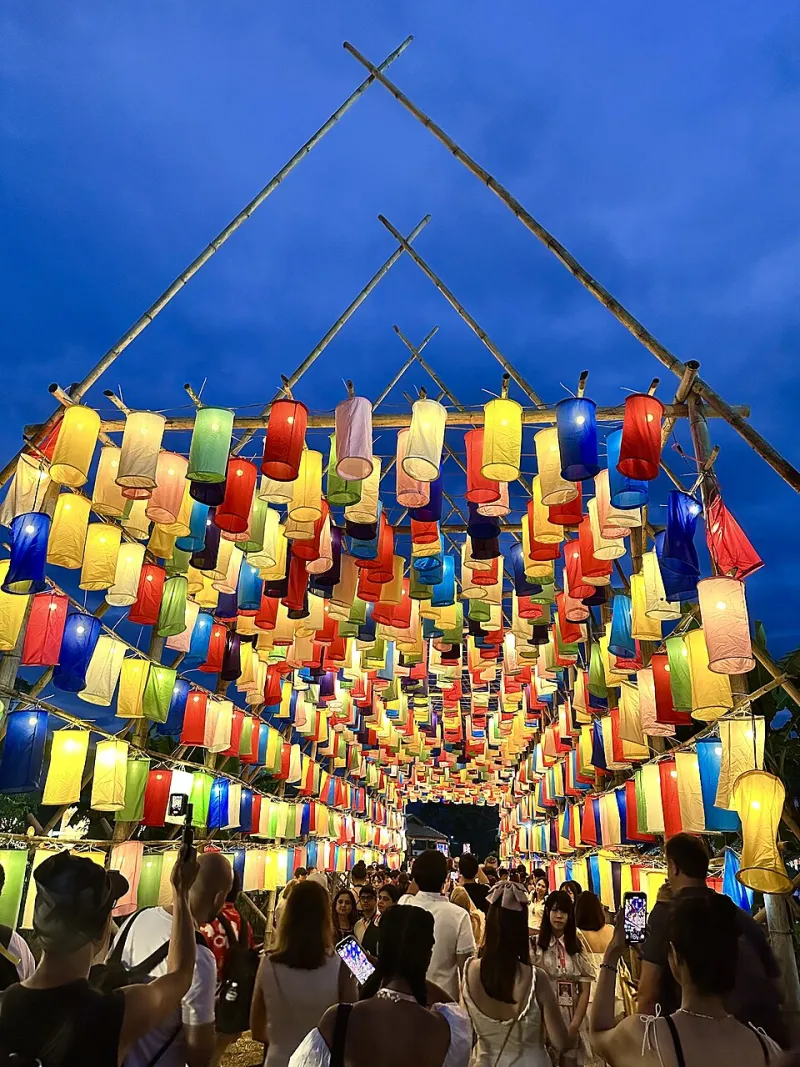
Photo: Forgoodnessake, CC BY-SA 4.0, via Wikimedia Commons
Let's do some quick math.
A four-star hotel room in Santorini in July: easily $500 a night, often more, likely with a view of the neighboring hotel's air conditioning units. A private pool villa in Phuket with two bedrooms, a full staff, and an infinity edge hanging over the Andaman Sea: frequently less than half that.
Once you run the numbers — and more and more Americans are running them — the choice starts to look less like a decision and more like a revelation. Thailand isn't just a budget alternative to Europe anymore. It's becoming the destination of choice for US travelers who want the most luxury for their money, not the least.
The Great Value Migration
Ask anyone who's booked a European summer trip in the last two years about sticker shock, and settle in for a long answer. Rome, Paris, the Amalfi Coast — prices have soared while service, frankly, hasn't kept pace. Overtourism has turned some of the continent's marquee destinations into expensive waiting lines.
Meanwhile, Southeast Asia has been quietly building something better. Thailand's luxury hospitality scene has matured into arguably the finest in the world: service culture that treats hospitality as an art form, villa and resort product that rivals anywhere on the planet, and prices that make five-star living feel almost irresponsible.
We're talking about private butlers included in villa rates. In-villa private chefs for the cost of a nice dinner out back home. Spa treatments that would run $300 in a US resort city for a third of the price — and twice the quality. The value gap isn't narrow. It's a canyon.
Getting There Is Easier Than You Think
The long-haul flight is the one hurdle, and even that is shrinking. US carriers and Asian partners have expanded connectivity through Tokyo, Seoul, Taipei, and Doha, and one-stop itineraries from Los Angeles, San Francisco, and Seattle to Bangkok are now routine — with several routing options under 20 hours of total travel time. West Coast travelers can leave in the morning and be sipping a coconut on a Bangkok rooftop the following evening.
The visa picture is even friendlier. Americans currently receive visa-free entry to Thailand for up to 60 days, extendable — a dramatic upgrade from the old 30-day rule and one of the most generous policies in Asia for US passport holders. No applications, no fees, no consular visits. Book a flight, land, go.
That extended stay window has lit a fire under a particular kind of traveler: the remote worker. Thailand's digital nomad infrastructure — fast Wi-Fi everywhere, world-class coworking spaces in Bangkok and Chiang Mai, and a growing inventory of long-stay luxury villas with dedicated work setups — has made it entirely realistic to spend a month or a season working from a beachfront terrace instead of a kitchen table.
What 'Luxury' Actually Looks Like Here
Here's where Thailand diverges sharply from the European playbook. In much of the world, luxury hospitality means paying more for the same room with a slightly better view. In Thailand, luxury means getting more, period.
Villa living as the default. The private villa is Thailand's signature accommodation — standalone homes with private pools, kitchens, and staff, often costing less per bedroom than a chain hotel. For families and groups of friends, the math becomes almost comical: a four-bedroom villa in Koh Samui split four ways often costs less per person than a three-star room in Miami.
Service as a cultural export. Thai hospitality isn't a training manual; it's a national character trait. The Thai concept of gracious care — anticipating what a guest needs before they ask — produces a level of attentiveness that no amount of European luxury pricing can buy.
Luxury with adventure attached. This is the part that keeps Americans coming back. Where else can you spend the morning sea kayaking through limestone caves, the afternoon in a wellness spa, and the evening at a fine-dining restaurant — all in one day, all world-class? Thailand compresses an entire vacation portfolio into a single trip.
The Verdict: East Is the New West
Every trend line points the same direction. Flight capacity between the US and Southeast Asia keeps climbing. The visa window keeps widening. Hotel and villa investment keeps pouring into Phuket, Samui, and Bangkok at a pace Europe can't match. And the American traveler — squeezed by domestic prices and burned by overtourism abroad — keeps discovering that their dollar doesn't just go further in Thailand. It goes further and gets treated better.
We'll say it plainly: for US travelers in 2025 and beyond, the smartest luxury move on the board isn't another summer in the Mediterranean. It's a one-stop flight east, a 60-day open door, and a private villa where the sunset show is free and the butler remembers how you take your coffee.
Europe will still be there. But paradise, done right and priced fairly, is waiting on the other side of the world — and Americans are finally catching on.