The Moon Writes Your Itinerary: Planning a Thailand Coast Trip Around the Tide Chart
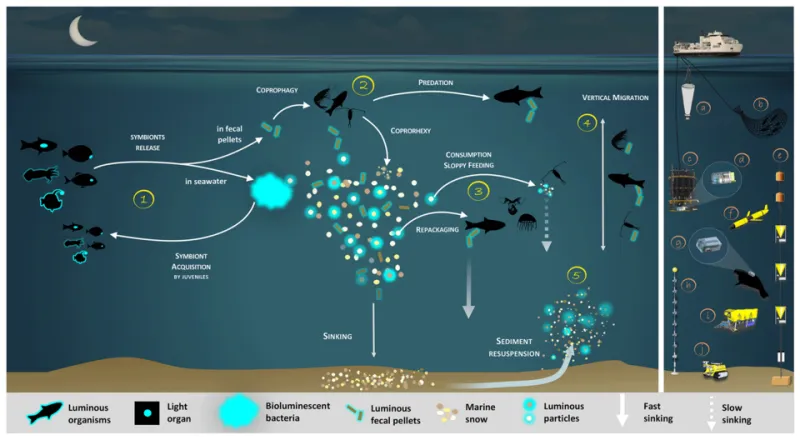
Photo: Lisa Tanet, Séverine Martini, Laurie Casalot and Christian Tamburini, CC BY-SA 4.0, via Wikimedia Commons
There's a moment that happens on Thai islands that most American travelers never see. It's about two hours before low tide, when a sandbar off Koh Yao Noi or Koh Muk begins to surface — a pale ribbon of sand appearing out of nowhere, stretching toward a sandspit island you couldn't reach by boat an hour ago. Locals are already walking out. The longtails are grounded. And if you checked the tide chart last night over your mango sticky rice, you're walking out too, right down the middle of the Andaman Sea.
The moon runs the show in coastal Thailand. Not the weather forecast, not your tour operator's schedule — the moon. And once you understand that, your entire trip changes shape. Literally.
The Two-Tide Rhythm You Need to Know
Thailand's Andaman coast generally runs on a semi-diurnal tide pattern, meaning two highs and two lows per day, each cycle shifted roughly 50 minutes later than the last. The Gulf of Thailand side — Koh Samui, Koh Phangan, Koh Tao — plays by slightly different rules with less dramatic swings, which is one reason the diving there is more predictable.
What matters for you is the range. During the new moon and full moon, the pull is strongest and the difference between high and low water is at its most extreme — sometimes two meters or more. This is called a spring tide, and it's when the magic happens: sandbars exposed, beaches doubled in width, reef flats laid bare. During the quarter moons, the range shrinks and the sea settles into a gentler rhythm.
Translation for the tide-chart illiterate (no judgment — we all started there): plan your big coastal adventures around the new and full moons, and plan your lazy beach days around the quarters.
The Sandbars That Only Exist for Three Hours
Ask a local fisherman where to go and they'll never give you an island name. They'll give you a time. That's because Thailand's most photogenic spots aren't places at all — they're windows.
The sandbar off Koh Khai Nok, the famous tombolo leading to Koh Poda near Krabi, the walkway to Koh Mae Island at Chao Mai National Park in Trang — these appear for a few hours around low spring tide, then dissolve back into the sea. Show up at noon on the wrong day and you'll swear the photos on Instagram were photoshopped. Show up on the right day at the right hour and you'll take the best picture of your life.
The trick: pull up a tide app like Tides Planner or check the Hydrographic Department of the Royal Thai Navy's published tables before you book anything. Anchor your beach days to the low tide window, not the other way around.
Bioluminescence: The Moon's Gift to Night Owls
Here's where the lunar math gets deliciously counterintuitive. Those electric-blue glowing waves you've seen in videos — that's bioluminescent plankton, and Thailand's Andaman waters deliver it reliably. But the when is everything.
Bioluminescence is technically visible year-round, with the densest blooms in the late dry season, roughly February through April. What you actually need is darkness. A full moon will wash out the glow like a flashlight in a movie theater. So the best plankton nights fall in the days surrounding the new moon, when the sky is at its blackest.
Koh Kradan, the beaches near Koh Lanta, and the quiet coves of Phang Nga Bay all deliver. Some villa concierges and kayak outfitters run dedicated glow paddles — you'll slip across water that lights up around every stroke like you're dragging your hand through a starfield. It's the kind of night that recalibrates what you thought a vacation could be.
Kayaking Phang Nga Bay's Caves: A Timing Game
The famous sea caves of Phang Nga Bay — including the Hong by Starlight experience through Tham Lod, where you lie flat in a canoe and slide through a low cavern into a hidden lagoon — are only passable at specific tide levels. The cave mouth can drop to near-sealed at high water.
Good outfitters know this and schedule accordingly, but here's what separates a good trip from a transcendent one: going at the right point in the lunar cycle. Mid-range tides during the quarter moons give outfitters a wider, calmer operating window — less current pushing through the cave, more time inside the hong to linger under the cliffs while the macaques holler at dusk. If you're booking a cave kayak tour, ask your operator which days the tides favor and build your Phang Nga day around their answer.
A Simple Framework for Your Next Trip
You don't need to become an oceanographer. You need one evening and one app:
- Lock your dates first. Note where the new moon and full moon fall within your trip window.
- Assign the moons their jobs. New moon stretch: bioluminescence nights, dark-sky stargazing, wide sandbar walks. Full moon stretch: big tidal range beach days, dramatic low-tide explorations (and, if you're on Koh Phangan, well, you know).
- Put quarter moons on logistics duty. Snorkeling trips, dive days, spa afternoons, and the long villa lunches that make Thailand worth the 20-hour flight.
- Check the daily tables the week before. Low tide at 11 a.m. is a completely different day than low tide at 11 p.m. Shift your beach mornings accordingly.
The Perspective Shift
American travel culture teaches us to plan around reservations, reservations, and more reservations. Thailand's coast invites a different posture — one where the schedule isn't set by a booking engine but by a body 238,900 miles away, tugging the ocean back and forth twice a day.
Once you start planning around the moon, you stop fighting the water and start moving with it. The sandbar appears because you knew it would. The glow is brighter because you picked a moonless night. The cave opens because you arrived when the sea stepped aside.
That's not luck. That's a tide chart, read like a local. And it might just be the most underrated travel skill you bring home from the Land of Smiles.