Trunks Up at Sunrise: What It's Really Like to Sleep Beside Rescued Elephants in Thailand
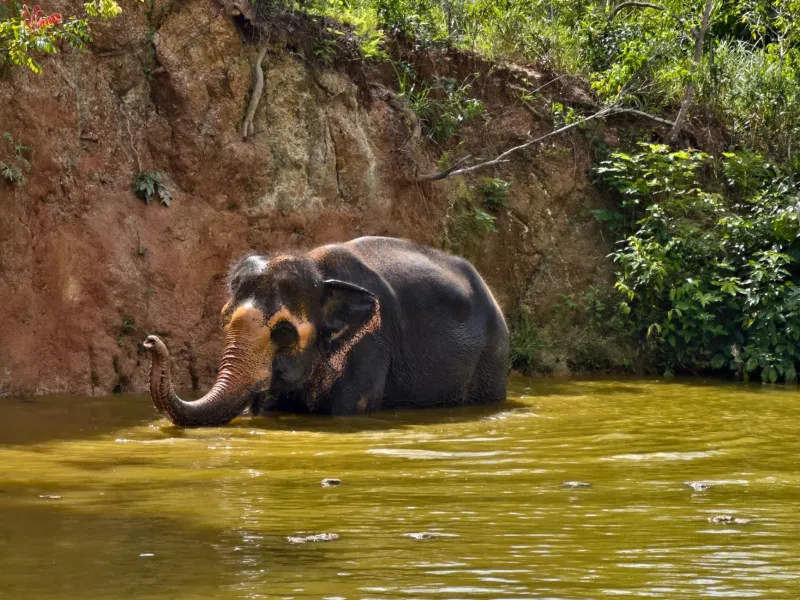
There's a moment — usually around dawn, when the mist is still clinging to the hills — when you realize the low rumble you're hearing isn't thunder. It's an elephant, a few hundred feet away, talking to her herd. If you've only ever seen these animals behind a zoo barrier or balanced on a bucket seat with a tourist on her back, that sound will rearrange something in you.
Thailand has been quietly rebuilding its relationship with elephants over the past decade. The riding camps that defined elephant tourism for generations are losing ground to something better: small, vetted sanctuaries where the animals are retired, the groups are tiny, and — the part most American travelers don't know yet — you can actually spend the night.
Why Overnight Changes Everything
Most elephant experiences in Thailand follow the same script: a van of twenty people, a rushed photo op, a bucket of sugarcane, back on the road by noon. The elephants tolerate it. The visitors forget it by the next flight home.
Overnight stays flip that equation. When a sanctuary hosts only a handful of guests — some cap it at four to eight — the animals set the pace. You observe. You walk (at elephant speed, which is slower than you think). You learn the individual personalities: the matriarch who steals hats, the young male who's still figuring out his own strength.
And then there's the morning. Day-trippers never see elephants at first light, when they're most active, most playful, and most themselves. Overnight guests get a private sunrise feeding that no group tour can replicate — just you, a basket of fruit, and a two-ton animal who is, remarkably, gentle enough to take a banana from your palm.
Three Sanctuaries Worth the Flight
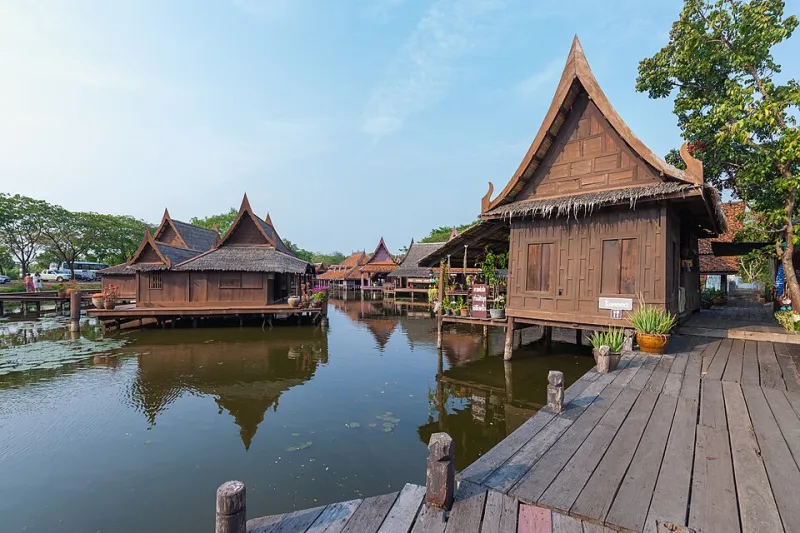
Near Chiang Mai: The hills outside Chiang Mai are ground zero for ethical elephant tourism, and several family-run projects there offer rustic-chic overnight accommodation — think open-air bamboo lodges with proper beds and hot showers, perched above the elephants' river valley. Expect to pay roughly $250–450 per person per night, typically covering lodging, all meals, and guided time with the animals. That sounds steep until you compare it to a Disney World day ticket with a character breakfast — except here, the character remembers you and doesn't do autographs.
Near Kanchanaburi: A few hours west of Bangkok, the forests along the River Kwai host sanctuaries where rescued elephants — many former logging and trekking animals — roam hundreds of acres. Kanchanaburi's stays tend to be even quieter than the Chiang Mai circuit, partly because fewer international visitors make the trip. If your Thailand itinerary already includes Bangkok, this is the easiest ethical option: under three hours by road, and you can be back at your riverside hotel by dinner.
The ultra-small option: A few projects across the country take just one or two booking parties at a time — essentially a private elephant experience with a bed attached. Prices climb accordingly ($600+ per person per night), but for honeymooners or families marking a milestone, it's the kind of story you'll be telling at dinner parties for a decade.
How to Spot the Greenwashing
The word "sanctuary" is unregulated in Thailand. Anyone can paint it on a sign. Before you book, run any property through this filter:
- No riding. Ever. Not "bareback only," not "just for photos." Any outfit offering elephant rides is not a sanctuary, full stop.
- No hooks, no chains. Ask directly about bullhooks (phajaan) and chaining. Ethical operations answer openly; sketchy ones change the subject.
- Hands-off feeding. The best programs are moving toward observation and supervised feeding, not elephant hugs and trunk selfies. If the marketing is all about you touching the animal, that's a red flag.
- Breeding and rewilding. Ask what happens to the elephants long-term. Serious sanctuaries talk about forest release programs and partnership with local mahout families — not about breeding more captive animals for tourism.
- Small is the point. If their website brags about how many visitors they host daily, they've missed the assignment.
What a Trip Actually Costs
Budget honestly and a three-day, two-night sanctuary stay near Chiang Mai runs about $600–900 per person all-in, including transfers from the city. Add flights from the US ($700–1,100 round trip from most gateways) and you're looking at a genuinely transformative week in Thailand — sanctuary plus Bangkok plus a beach — for less than the cost of five nights at a mid-range Hawaiian resort.
The sleeper value: because sanctuary stays bundle meals, lodging, and guiding, they anchor an itinerary beautifully. Book two nights at an elephant project, then reward yourself with a staffed villa on the coast afterward. You'll need the decompression. Elephant mornings start early.
The Takeaway
There's a version of elephant tourism that belongs in the past, and Thailand has largely moved on from it. What's replacing it is better in every way — for the animals, for the local families who care for them, and for the traveler who wants a story with actual substance. Sleeping in a bamboo lodge while rescued elephants forage below your deck isn't a photo op. It's the trip you'll describe to your grandkids.
Bring a rain jacket. And maybe a second memory card.